Rahm
Rahm
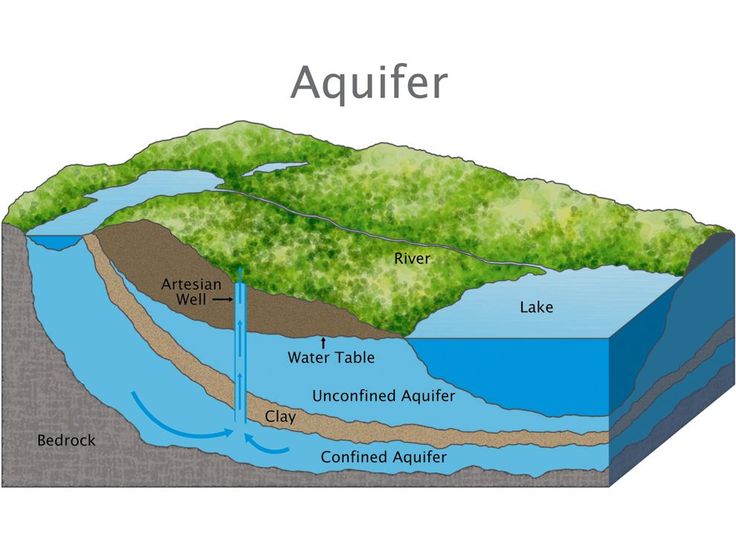
The accurate identification of groundwater resources requires more than surface observations—it demands insights into the subsurface. This is where geophysical methods become indispensable. In Kenya, one of the most widely used geophysical tools in hydrogeological surveys is the Electrical Resistivity Method (ERM), particularly Vertical Electrical Sounding (VES). These techniques allow for non-invasive investigation of subsurface layers, helping hydrogeologists determine the depth, thickness, and nature of aquifers.
This article explores the principles, application, advantages, and limitations of electrical resistivity and other geophysical methods used in borehole siting and groundwater assessment in Kenya.
What Are Geophysical Methods?
Geophysical methods involve the measurement of physical properties of the Earth’s subsurface to detect anomalies or structures that might indicate the presence of water-bearing formations (aquifers). These properties include resistivity, magnetic susceptibility, seismic velocity, and conductivity.
In the Kenyan context, the most applicable geophysical methods for groundwater surveys include:
-
Electrical Resistivity Methods
-
Seismic Methods
-
Electromagnetic Methods
-
Magnetic and Gravity Surveys (less common for groundwater)
Of these, Electrical Resistivity is the most widely adopted due to its cost-effectiveness, suitability across diverse terrains, and proven reliability in identifying aquifer zones.
Principle of Electrical Resistivity
The electrical resistivity method is based on the principle that different subsurface materials conduct electricity differently. Resistivity (measured in ohm-meters) is a function of:
-
Mineral composition
-
Water content
-
Porosity
-
Salinity of groundwater
Dry, compact rocks like granite have high resistivity, while saturated, porous formations like sand or weathered basalt have lower resistivity. Highly conductive materials like clays or saline aquifers show very low resistivity.
By injecting an electric current into the ground and measuring the resulting potential difference, hydrogeologists can infer the subsurface resistivity distribution.
Common Electrical Resistivity Techniques
1. Vertical Electrical Sounding (VES)
-
Measures resistivity variations with depth at a single point
-
Widely used in Kenya for aquifer layer identification
-
Uses configurations like Schlumberger or Wenner arrays
-
Produces resistivity curves, which are interpreted into subsurface layer models
2. Electrical Resistivity Tomography (ERT)
-
Provides 2D or 3D imaging of subsurface resistivity
-
Useful for complex geology or where lateral variations are significant
-
Requires more equipment and data processing but offers higher resolution
Application in Hydrogeological Surveys in Kenya
Electrical resistivity methods are particularly effective in Kenya’s diverse geological environments:
a) Fractured Basement Terrains (e.g., Kitui, Machakos)
-
VES is used to locate fractured or weathered zones within crystalline rocks
-
Target depths: 40–150 meters
-
Resistivity drops in fracture zones with water presence
b) Volcanic Terrains (e.g., Nakuru, Kajiado)
-
ERT helps delineate vesicular lava zones and buried faults
-
Key for identifying multiple aquifer layers with different yields
c) Sedimentary Basins (e.g., Tana River, Turkana)
-
Used to identify porous sandstone layers saturated with groundwater
-
Careful interpretation needed to distinguish between fresh and saline water
d) Coastal Areas (e.g., Mombasa, Kilifi)
-
ERM helps detect saline intrusion and freshwater lenses
-
Essential in ensuring drilling avoids high salinity zones
Equipment and Field Setup
Typical field equipment for electrical resistivity includes:
-
Resistivity meter (e.g., ABEM Terrameter, SAS 1000/4000)
-
Electrodes (for current and potential)
-
Cables and reels
-
GPS device (for spatial data recording)
-
Field recording sheets or data loggers
The survey involves:
-
Inserting electrodes into the ground at specified intervals
-
Injecting current and measuring voltage
-
Increasing electrode spacing to probe deeper layers
-
Recording apparent resistivity values
Data Processing and Interpretation
Raw data from resistivity surveys are processed using software like:
-
IPI2Win
-
RES2DINV
-
WinResist
Interpretation involves:
-
Matching field curves to theoretical models
-
Identifying layer resistivity and thickness
-
Integrating geological knowledge and borehole logs for accuracy
In complex environments, interpretation is improved by combining resistivity data with:
-
Geological maps
-
Topographic information
-
Satellite imagery
Advantages of Electrical Resistivity Surveys
| Advantage | Description |
|---|---|
| Non-invasive | No drilling required to understand subsurface structure |
| Cost-effective | Relatively low compared to test drilling |
| Applicable in varied terrains | Suitable for both dry and wet regions |
| Depth flexibility | Adjustable to survey shallow or deep aquifers |
| Improves borehole success | Reduces risk of dry or unproductive boreholes |
Limitations and Challenges
| Limitation | Description |
|---|---|
| Ambiguity in interpretation | Multiple subsurface models can fit the same data |
| Poor resolution in conductive soils | Clays and saline water can obscure results |
| Surface interference | Power lines, buildings, and metal objects can distort measurements |
| Experience-dependent | Requires skilled personnel for accurate results and interpretation |
To mitigate these limitations, surveys are often supplemented by:
-
Geological field mapping
-
Drilling logs
-
Water chemistry analysis
Case Study: Using VES in Makueni County
In 2021, a water project in Makueni used VES to identify productive aquifers within weathered basement zones. Out of 10 surveyed sites:
-
7 showed resistivity values of 40–100 ohm-meters at 60–90 meters depth
-
5 boreholes were drilled in low-resistivity zones and yielded between 6–12 m³/hr
-
Areas with high resistivity (>500 ohm-meters) produced low or dry wells
This case highlights the direct benefit of geophysics in improving borehole success.
Role of Policy and Professional Standards
The Water Resources Authority (WRA) mandates that geophysical investigations be part of the hydrogeological survey report required for borehole permits. The use of licensed professionals and registered firms ensures quality control and responsible groundwater development.
The Kenya Groundwater Resource Assessment Platform (KGWRAP) also promotes standardized geophysical methods across counties and donor-funded projects.
Integrating with Other Survey Methods
Geophysical surveys are most effective when integrated with:
-
Remote sensing and GIS (for initial zonation)
-
Geological field surveys (to confirm lithology)
-
Hydrochemical sampling (to verify aquifer quality)
-
Test drilling and borehole logging (to ground-truth data)
This integrated approach ensures both scientific accuracy and practical results.
Conclusion
Electrical resistivity and other geophysical methods play a vital role in modern hydrogeological surveys in Kenya. Their ability to visualize the subsurface without drilling makes them indispensable tools in borehole planning, risk reduction, and sustainable groundwater development. While not without challenges, when used correctly and combined with field data and professional judgment, these techniques dramatically increase the likelihood of borehole success—making every drop of investment count.