We specialize in providing expert geological insights to help businesses, governments, and communities better understand and prepare for earthquakes. We highlight major earthquake phenomenas from the Kenya, Africa and World at large. Earthquakes are natural phenomena caused by the sudden release of energy along fault lines within the Earth’s crust, resulting in seismic waves that can cause ground shaking and, in some cases, significant damage.
What Causes Earthquakes?
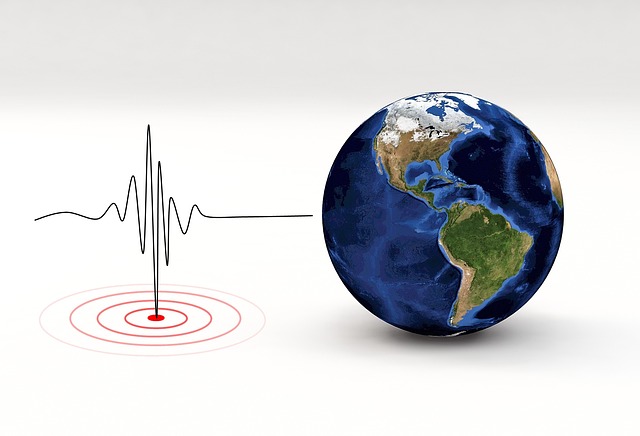
Earthquakes occur when stress builds up between two tectonic plates, causing them to move or slip along a fault line. This movement can be sudden and intense, leading to seismic events. The intensity of an earthquake is measured using the Richter Scale, while its effects are often measured by the Modified Mercalli Intensity (MMI) scale.
Key factors that influence earthquake impact:
- Magnitude: The amount of energy released during the event.
- Depth: Shallower earthquakes tend to cause more surface damage.
- Location: Proximity to fault lines and densely populated areas can increase risk.
- Geology: The underlying rock and soil types play a significant role in how seismic waves travel.
Earthquake in the World
- Magnitude, Depth, Location and Geology
Effects
Earthquake in Africa
- Magnitude, Depth, Location and Geology
Effects
Earthquake in Kenya
- Magnitude, Depth, Location and Geology
Effects
Earthquake Hazards
Earthquakes can result in a variety of hazards, including:
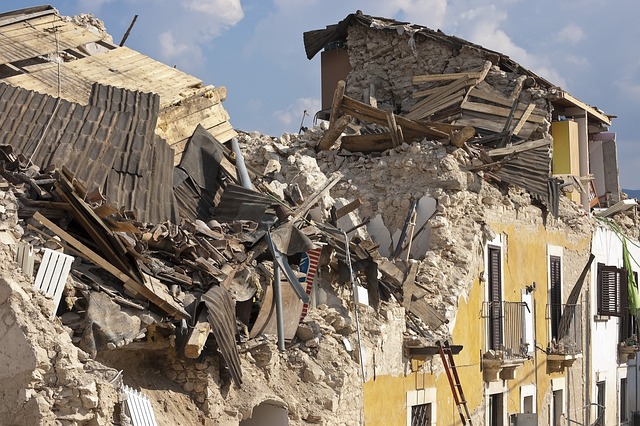
- Ground shaking: Can cause structural damage or collapse.
- Surface rupture: Movement of the ground can break the Earth’s surface, damaging infrastructure.
- Landslides: Unstable slopes may give way during an earthquake, causing debris to flow.
- Tsunamis: Seismic activity under the ocean can trigger large, destructive waves
Preparing for Earthquakes
Preparedness is key to minimizing the impact of earthquakes. Our consultancy offers:
- Seismic Hazard Assessments: We analyze fault lines, geological data, and historical seismic activity to assess the risk of earthquakes in your region.
- Structural Integrity Analysis: We evaluate the earthquake resistance of buildings and infrastructure to ensure compliance with safety standards.
- Emergency Planning: We help develop emergency response plans and evacuation routes tailored to your specific location.
- Training and Drills: Our team provides training on earthquake preparedness and organizes drills to ensure readiness.
Earthquake Monitoring and Early Warning Systems
Advancements in technology allow for the detection of seismic activity in real time. Early warning systems provide crucial seconds to minutes of notice before an earthquake’s shockwaves arrive, helping to mitigate damage and save lives.
Our team offers consultation on the installation and optimization of these systems for businesses, municipalities, and industrial projects.
Post-Earthquake Response
Our services include:
- Damage Assessment: Comprehensive evaluations of infrastructure, utilities, and land stability.
- Geotechnical Support: Solutions for landslide stabilization, foundation repair, and rebuilding efforts.
- Rehabilitation Planning: Strategies for sustainable recovery and rebuilding to better withstand future seismic events.
You Missed
Cost Differences in Hydrogeological Surveys Based on Location and Methodology in Kenya
Rahm
- June 10, 2025
- 250 views
The Role of Remote Sensing and GIS in Borehole Surveying in Kenya
Rahm
- June 10, 2025
- 183 views
Understanding Aquifer Types and Groundwater Occurrence in Kenya’s Geological Formations
Rahm
- June 10, 2025
- 502 views
Cost Breakdown of Hydrogeological Surveys for Borehole Siting in Kenya
Rahm
- June 10, 2025
- 356 views
Hydrogeological Mapping and Field Reconnaissance in Kenyan Groundwater Surveys
Rahm
- June 10, 2025
- 121 views