Rahm
Rahm
Water is a vital resource for life, and in Kenya, where the climate can be unpredictable, accessing clean and reliable water sources is a significant challenge. Borehole drilling has emerged as a crucial solution to help communities access groundwater, offering hope in the face of a growing water crisis.
What is Borehole Drilling?
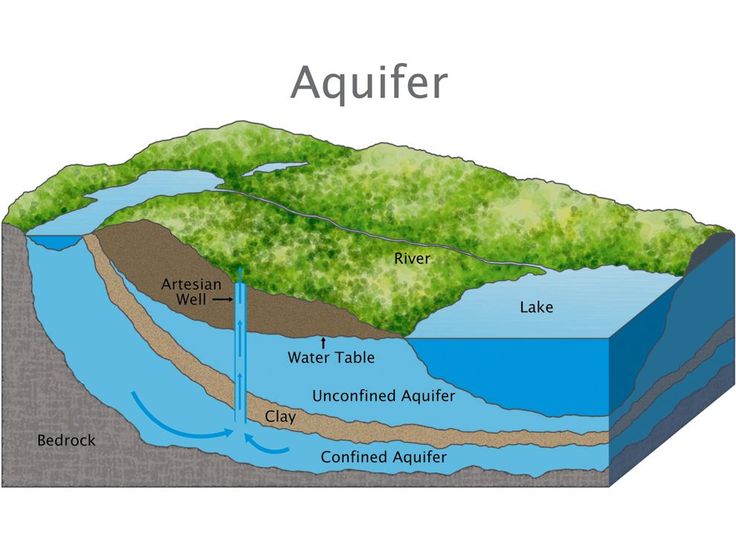
Borehole drilling refers to the process of creating deep, narrow holes in the ground to access underground water sources. These boreholes can tap into aquifers—natural underground layers of water-bearing rock or sediment. Boreholes can be classified into two main types: water wells and geothermal wells, with the former being the most common for accessing groundwater.
The Water Crisis in Kenya
Kenya faces a significant water scarcity issue. According to the United Nations, around 17 million people lack access to safe water, and the situation is particularly severe in arid and semi-arid regions. The impact of water scarcity extends beyond personal use; it affects agriculture, livestock, and overall economic growth. As a result, communities are increasingly turning to borehole drilling as a sustainable solution to their water needs.
Benefits of Borehole Drilling
- Reliable Water Supply:
Boreholes provide a consistent source of water, especially in regions where surface water is scarce or contaminated. - Cost-Effectiveness:
While the initial drilling cost can be high, boreholes often yield savings in the long run compared to relying on water delivery services or purchasing bottled water. - Environmental Sustainability:
When managed correctly, borehole drilling can promote sustainable water use by tapping into renewable groundwater resources.
The Borehole Drilling Process
Site Assessment
Before drilling begins, a thorough site assessment is conducted. This includes geological surveys to identify suitable drilling locations, ensuring that the borehole will access sufficient water.
Drilling Techniques
Common drilling techniques include rotary drilling and percussive drilling. Rotary drilling uses a rotating drill bit to penetrate the ground, while percussive drilling involves striking the ground with a heavy weight.
Equipment Used
The equipment used in borehole drilling typically includes drilling rigs, casing pipes, pumps, and water quality testing kits to ensure that the water is safe for consumption.
Regulations and Licensing for Borehole Drilling
In Kenya, borehole drilling is regulated by the Water Resources Authority (WRA), which ensures that drilling is conducted sustainably and responsibly. Proper permits must be obtained before any drilling begins to prevent illegal water extraction and over-exploitation of groundwater resources.
Challenges Facing Borehole Drilling in Kenya
While borehole drilling offers many benefits, it also presents challenges:
- Environmental Concerns:
Over-extraction of groundwater can lead to environmental degradation, including land subsidence and the drying up of nearby wells. - Over-Extraction of Groundwater:
Unsustainable practices can deplete aquifers faster than they can be replenished, threatening future water supplies. - Technical Challenges:
Drilling can be technically demanding, especially in areas with hard rock formations or high water salinity.
Borehole Maintenance and Management
To ensure a borehole remains a reliable source of water, regular maintenance is essential. This includes cleaning the borehole, checking pump functionality, and conducting water quality tests to detect contaminants. Community training programs can help empower locals to manage and maintain their boreholes effectively.
Community Involvement in Borehole Projects
Engaging local communities is critical to the success of borehole projects. By involving community members in planning, implementation, and maintenance, they become invested in the sustainability of the water resource. Training programs can equip locals with the necessary skills to manage boreholes, fostering a sense of ownership.
Future of Borehole Drilling in Kenya
The future of borehole drilling in Kenya looks promising, with advancements in technology improving drilling efficiency and water management practices. Innovations such as solar-powered pumps and advanced water quality monitoring systems can enhance the effectiveness of borehole projects.
Comparative Analysis: Boreholes vs. Other Water Sources
When considering water sources, boreholes have distinct advantages over rainwater harvesting and surface water sources. Unlike rainwater, which is subject to seasonal variations, boreholes can provide a reliable water supply year-round. Surface water sources, while sometimes more accessible, can be more prone to contamination and evaporation.
Conclusion
Borehole drilling presents a viable solution to Kenya’s water crisis, offering communities a reliable and sustainable source of water. By addressing regulatory challenges, fostering community involvement, and leveraging new technologies, Kenya can harness its groundwater resources to improve the quality of life for its citizens. It’s time for a collective push towards sustainable water management practices to ensure that future generations have access to this precious resource.