Rahm
Rahm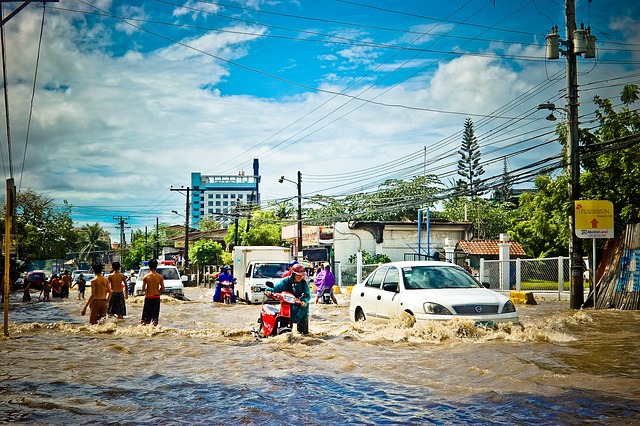
Kenya, with its diverse landscape and climate, is prone to various natural disasters, one of the most devastating being flooding. These floods not only threaten lives but also have far-reaching effects on the economy and environment. This article delves into the causes, impacts, and potential solutions to the flooding crisis in Kenya.
The Geography of Kenya
Kenya’s geography varies from coastal plains to plateaus and mountainous regions, which significantly influences weather patterns and water drainage. Areas such as Nairobi, Kisumu, and Tana River are particularly susceptible to flooding, especially during the rainy seasons when rivers overflow their banks.
Causes of Flooding in Kenya
Several factors contribute to flooding in Kenya:
- Heavy Rainfall and Climate Change:
Changes in climate patterns have led to unpredictable weather, resulting in intense rainfall. The long rains (March to May) and short rains (October to December) often bring heavy downpours, leading to flash floods. - Deforestation and Land Use Changes:
Deforestation for agricultural expansion and urban development disrupts the natural water cycle, reducing the land’s ability to absorb rainfall and increasing runoff. - Poor Drainage Systems:
Many urban areas lack adequate drainage infrastructure. Blocked drains and poorly planned urban development exacerbate flooding during heavy rains.
Historical Context of Flooding in Kenya
Kenya has experienced numerous significant floods over the years. For instance, in 1997-1998, El Niño-related rains caused widespread flooding, displacing thousands and damaging infrastructure. More recently, in 2020, heavy rains led to severe flooding in various regions, impacting communities and prompting government responses.
Effects of Flooding
The impacts of flooding in Kenya are profound:
- Humanitarian Impacts:
Floods lead to loss of life, displacement of communities, and increased health risks due to waterborne diseases. - Economic Consequences:
Agricultural lands are often submerged, leading to crop failure and loss of livestock, which directly affects food security and livelihoods. - Environmental Damage:
Flooding can lead to soil erosion, loss of biodiversity, and contamination of water sources, disrupting ecosystems and natural habitats.
Government Response to Flooding
The Kenyan government has implemented various disaster management strategies to mitigate the impacts of flooding. This includes improving early warning systems, investing in drainage infrastructure, and coordinating with humanitarian organizations to provide aid during crises.
Community Resilience and Adaptation
Local communities have also taken the initiative to adapt to flooding. Grassroots organizations often play a vital role in educating residents about flood risks, advocating for better infrastructure, and promoting sustainable land use practices.
Long-Term Solutions to Flooding
Addressing the flooding issue in Kenya requires comprehensive long-term solutions:
- Infrastructure Improvements:
Investing in drainage systems, flood barriers, and better urban planning can significantly reduce flood risks. - Sustainable Land Use Practices:
Encouraging reforestation and sustainable agriculture can enhance the land’s ability to absorb rainwater and reduce runoff.
Role of Technology in Flood Management
Technology plays a crucial role in managing flooding in Kenya. Early warning systems that use satellite data and weather forecasting can help communities prepare for imminent flooding. Additionally, data collection and analysis can provide insights into flood patterns, aiding in future planning.
Comparative Analysis: Flooding vs. Drought
Both flooding and drought present significant challenges for Kenya, but their impacts differ. While flooding leads to immediate humanitarian crises and infrastructure damage, droughts result in long-term food insecurity and economic decline. Effective resource management strategies must consider both phenomena to ensure resilience.
The Future of Flooding in Kenya
With climate change projected to intensify weather patterns, flooding in Kenya may become more frequent and severe. Preparing for these changes requires a proactive approach, focusing on infrastructure development, community resilience, and sustainable practices.
Conclusion
Flooding in Kenya is a pressing issue that affects millions of lives and poses significant challenges to development. By understanding the causes and impacts of flooding and implementing sustainable solutions, Kenya can build resilience against future flooding events. Collective efforts from the government, communities, and organizations are essential to safeguard lives and protect the environment.