Rahm
Rahm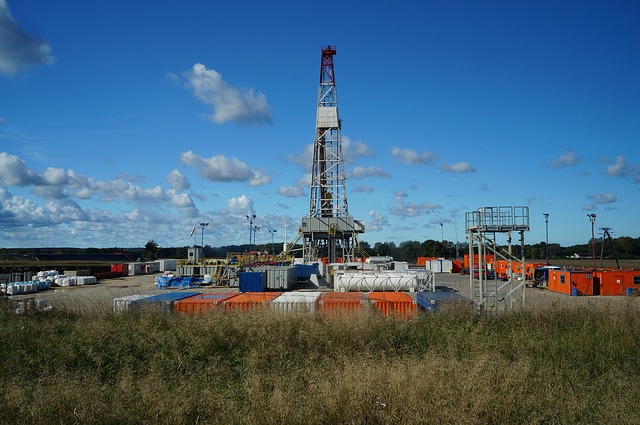
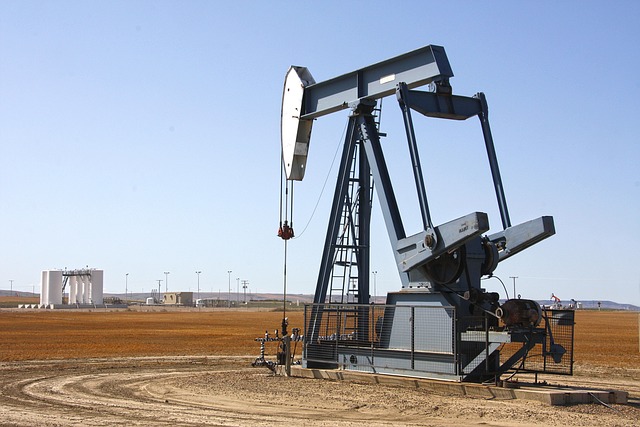
Natural gas is a type of fuel that consists mainly of methane, a simple compound made up of carbon and hydrogen. It can be deep below the Earth’s surface, often alongside oil deposits, and it can also found in shale deposits and coal beds.
Natural gas is a versatile energy source that is used for heating, cooking, and generating electricity. It’s often considered a “clean” fuel compared to other fossil fuels like coal and oil because it releases fewer emissions when burned.
How is Natural Gas Formed?
The formation of natural gas is a lengthy process that starts millions of years ago. As organic matter, such as plant and animal remains, gets buried under layers of soil and rock, heat and pressure transform this matter into hydrocarbons. Over time, as the conditions become right, these hydrocarbons accumulate, forming natural gas deposits.
- Time Factor: It takes millions of years for natural gas to form, making it a non-renewable resource.
- Environmental Considerations: Natural gas is often viewed as a bridge energy source due to its lower carbon footprint compared to other fossil fuels.
Uses of Natural Gas
Natural gas plays a crucial role in our everyday lives. Its uses stretch far beyond just heating homes.
Heating and Cooking
In many households, natural gas is the go-to fuel for furnaces and water heaters. Cooking with natural gas stoves is preferred by many chefs and families because it allows for instant heat control.
- Example: Personally, I love cooking with my gas stove. There’s something about the flame that feels more authentic, and I can easily adjust the heat while cooking pasta or searing vegetables.
Electricity Generation
Natural gas is increasingly being used to generate electricity. Power plants that use gas emit significantly lower levels of pollutants compared to coal plants, making it an environmentally friendlier option.
- Data Insight: According to the U.S. Energy Information Administration, in recent years, natural gas has become the leading source of electricity generation in the United States.
Industrial Applications
The industrial sector also relies heavily on natural gas. It’s used in the production of chemicals, fertilizers, plastics, and even steel. This versatility makes it a backbone for many manufacturing processes.
- Personal Anecdote: My friend works in a factory that produces fertilizers, and he often talks about how natural gas is essential for the high-quality products they create.
Environmental Impact
While natural gas is seen as a cleaner option compared to coal and oil, it does have environmental implications that are important to consider.
Greenhouse Gas Emissions
Burning natural gas emits carbon dioxide, but at lower levels than coal or oil. However, methane is a potent greenhouse gas, and leaks during extraction and transportation can contribute to climate change significantly.
- Thought to Ponder: It’s interesting to think about how something used to reduce greenhouse emissions can also contribute to them if not managed properly.
Water Use and Pollution
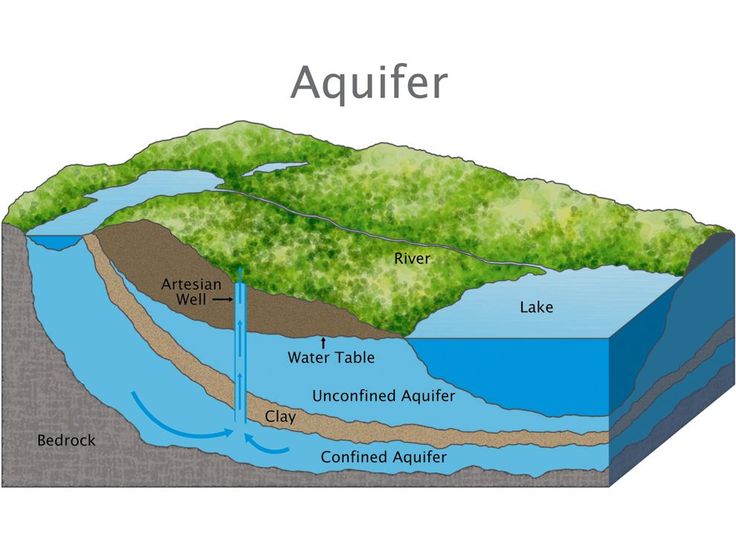
Fracking, a method of extracting natural gas, raises concerns about water usage and the potential for groundwater contamination. It’s vital that companies adhere to strict regulations to minimize these risks.
Future of Natural Gas
The future of natural gas is a topic of debate among environmentalists, policymakers, and the energy industry. With advances in renewable energy like wind and solar, there’s a push to reduce reliance on fossil fuels.
“Natural gas can be a stepping stone toward cleaner energy solutions, but we must be cautious about its environmental impacts.”
Conclusion
Natural gas is a significant player in the energy landscape. It’s widely used in our homes, industries, and power plants, providing us with the energy needed for daily life. However, like any resource, it comes with its set of challenges that require attention and action.
By embracing cleaner practices and improving extraction methods, we can enjoy the benefits of natural gas while being mindful of its environmental impact. It’s a delicate balance, and one that we all play a part in ensuring a sustainable future.