Rahm
Rahm
Kenya, known for its stunning landscapes and rich cultural heritage, is also home to a complex geological setting that makes it susceptible to earthquakes. Understanding the causes, impacts, and responses to seismic activity is crucial for mitigating risks and protecting communities.
The Geological Setting of Kenya
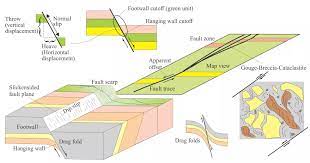
Kenya lies along the East African Rift System (EARS), a tectonic plate boundary where the African Plate is splitting into two smaller plates. This rift system extends from the Afar Triangle in the northeast down to Mozambique. The tectonic movements associated with this rift are responsible for the country’s seismic activity, making it a key area of study for geologists.
History of Earthquakes in Kenya
Kenya has experienced several notable earthquakes throughout its history. One of the most significant was the 2007 earthquake in Lake Victoria, which registered a magnitude of 6.2 and caused widespread panic but fortunately resulted in minimal damage. Another significant event was the 1948 earthquake in the eastern Rift Valley, which was felt across a large area and prompted further research into the region’s seismicity.
Causes of Earthquakes in Kenya
- Tectonic Plate Movements:
The primary cause of earthquakes in Kenya is the movement of tectonic plates along the East African Rift. As the plates shift, they can release energy, resulting in earthquakes. - Volcanic Activity:
The region is also home to several active volcanoes, such as Mount Kenya and Mount Kilimanjaro. Volcanic activity can trigger earthquakes as magma movements create pressure in the Earth’s crust.
Impact of Earthquakes
The impact of earthquakes can be devastating:
- Human Casualties and Injuries:
Earthquakes can lead to loss of life and injuries, especially in densely populated areas where buildings may not be structurally sound. - Economic Effects:
Damage to infrastructure, homes, and businesses can have long-term economic repercussions, straining local economies and requiring significant recovery resources. - Infrastructure Damage:
Roads, bridges, and essential services like water and electricity can be severely affected, disrupting daily life and emergency response efforts.
Government and Institutional Response
The Kenyan government, through the National Disaster Management Authority (NDMA), has established frameworks for disaster response. The Kenya Meteorological Department (KMD) and the Geological Society of Kenya play vital roles in monitoring seismic activity and providing data for disaster preparedness.
Community Preparedness and Education
Community awareness and preparedness are crucial in mitigating the impacts of earthquakes. Public education campaigns can teach residents about earthquake safety measures, such as “Drop, Cover, and Hold On” during seismic events. Regular drills and training can also enhance community resilience.
Technological Advances in Earthquake Monitoring
Kenya has made significant strides in earthquake monitoring through research and technological advancements. The establishment of seismological stations across the country allows for real-time data collection and analysis, improving the accuracy of earthquake predictions. Early warning systems can provide alerts to residents, enabling them to take precautionary measures.
Comparative Analysis: Earthquakes vs. Other Natural Disasters
Earthquakes differ from other natural disasters, such as floods and droughts, in terms of their sudden onset and immediate impact. While flooding may have a slower onset, earthquakes can occur without warning, necessitating different preparedness and response strategies. Resource allocation for disaster management should reflect these differences to ensure effective responses.
Future of Earthquake Research in Kenya
As climate change and urbanization continue to influence geological activity, the future of earthquake research in Kenya will focus on predictive modeling and risk assessment. Collaborations with international institutions can enhance research capacity, leading to improved earthquake preparedness and resilience.
Conclusion
Earthquakes in Kenya pose significant challenges to communities and infrastructure. Understanding the geological causes and impacts of seismic activity is essential for developing effective preparedness and response strategies. With continued research, community engagement, and technological advancements, Kenya can build resilience against the impacts of earthquakes and protect its citizens.