Rahm
Rahm
The Rift Valley, a geological marvel stretching from the Afar Triangle in Ethiopia down to Mozambique, is a region known for its unique geological features and dynamic tectonic activity. However, it is also susceptible to cave-ins, which can pose significant risks to communities and infrastructure. Understanding the causes of cave-ins in this area is essential for effective management and prevention.
Geological Context of the Rift Valley
The Rift Valley was formed through tectonic processes where the African Plate is splitting into two smaller plates. This rifting process has created a series of valleys and geological formations that are still evolving. The region’s geological instability makes it prone to various geological hazards, including cave-ins.
Types of Cave-Ins
Cave-ins can be categorized into two main types: natural and man-made.
- Natural cave-ins often occur due to geological processes, such as the collapse of underground voids or the weakening of soil structures.
- Man-made cave-ins typically result from human activities, such as mining or construction work, where the ground’s stability is compromised.
Several cave-in events have been reported in the Rift Valley, highlighting the need to understand their underlying causes.
Causes of Cave-Ins
Geological Factors
- Soil Composition and Stability:
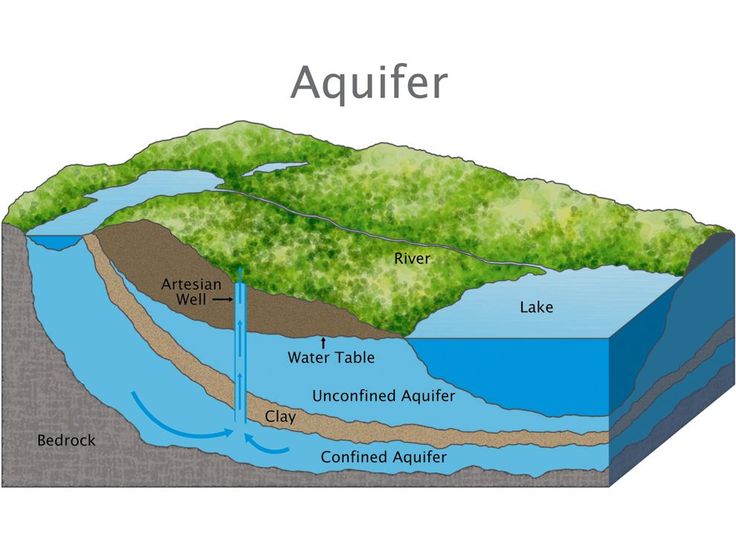
The types of soil and rock present in the Rift Valley play a significant role in its stability. Soils with high clay content can become unstable when saturated with water, leading to collapse. - Water Infiltration and Erosion:
Heavy rainfall or flooding can lead to increased water infiltration in the soil, which may weaken the structural integrity of the ground. Erosion caused by water flow can further exacerbate the risk of cave-ins. - Seismic Activity and Land Subsidence:
The Rift Valley is seismically active, and earthquakes can cause ground shaking that may trigger cave-ins. Land subsidence, where the ground slowly sinks, can also occur in areas with geological instability, increasing the likelihood of collapse.
Human Activities Contributing to Cave-Ins
- Mining and Excavation:
Mining operations can create underground voids, destabilizing the surrounding ground. If these voids are not adequately managed, they can lead to sudden cave-ins. - Urban Development and Infrastructure Projects:
As cities expand and infrastructure projects are developed, excavation and land alteration can weaken the ground’s structure, making it more prone to cave-ins. - Deforestation and Land Use Changes:
Clearing forests for agriculture or development reduces the soil’s ability to retain water and maintain stability. This can lead to increased erosion and a higher risk of cave-ins.
Impact of Cave-Ins
The consequences of cave-ins can be severe:
- Economic Consequences:
Cave-ins can cause significant financial losses due to property damage, disrupted infrastructure, and decreased land value. - Human Safety Concerns:
Cave-ins pose risks to human life, especially in populated areas. They can lead to injuries or fatalities and result in the displacement of communities. - Environmental Effects:
Cave-ins can disrupt local ecosystems, leading to habitat loss and changes in water drainage patterns.
Mitigation and Prevention Strategies
To reduce the risks associated with cave-ins, several strategies can be implemented:
- Geological Surveys and Monitoring:
Regular geological surveys can help identify unstable areas and monitor changes in the ground that may indicate a risk of cave-ins. - Sustainable Land Use Practices:
Promoting sustainable land use, including responsible mining practices and reforestation efforts, can help maintain soil stability and reduce erosion. - Community Awareness and Education:
Educating communities about the risks of cave-ins and promoting preparedness can enhance resilience and safety.
Future Research Directions
Advances in geological research are crucial for improving our understanding of cave-ins in the Rift Valley. Integrating technology, such as remote sensing and geophysical surveys, can enhance monitoring efforts and aid in predicting cave-in events.
Conclusion
Cave-ins in the Rift Valley are influenced by a combination of geological and human factors. By understanding these causes and implementing effective mitigation strategies, we can reduce the risks associated with cave-ins and protect communities and the environment. Continued research and community engagement are vital to address the challenges posed by this geological phenomenon.