Rahm
Rahm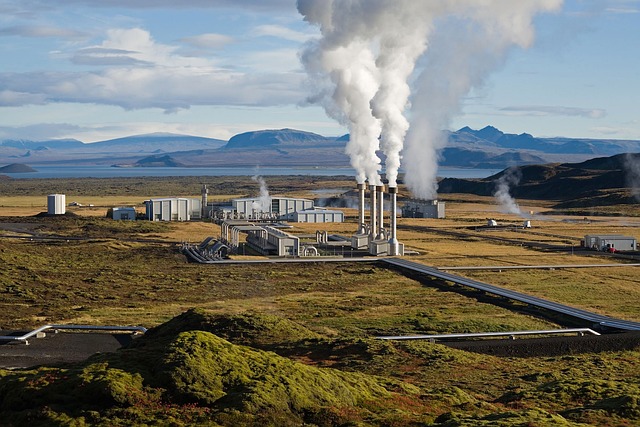
Kenya is a country blessed with diverse natural resources, but one of the most promising is its geothermal energy. As the world shifts toward sustainable energy sources, geothermal drilling emerges as a key player in meeting both local and global energy demands. In this article, we’ll explore the ins and outs of geothermal drilling in Kenya, uncovering its potential and addressing the challenges that lie ahead.
What is Geothermal Energy?
So, what exactly is geothermal energy? At its core, geothermal energy harnesses heat from the Earth’s interior. This heat originates from the planet’s formation and the decay of radioactive materials. It can be used for electricity generation, heating, and even in various industrial processes. There are two main types of geothermal energy: high-temperature (used for electricity generation) and low-temperature (used for direct heating).
Kenya’s Geothermal Landscape
Kenya sits on the East African Rift Valley, a region with significant volcanic activity. This geological feature makes it one of the top countries for geothermal energy potential, with the capacity to produce around 10,000 MW of power. Key geothermal sites include the Olkaria, Menengai, and Longonot areas, which have already seen substantial development and investment.
The Process of Geothermal Drilling
Drilling for geothermal energy involves a series of specialized techniques. Initially, exploratory drilling is conducted to assess the geothermal resources’ viability. This often involves drilling deep into the Earth, sometimes over 3 kilometers, to reach hot rock formations.
The equipment used in geothermal drilling includes rotary drill rigs, mud pumps, and wellhead systems, which are all critical to ensuring the drilling process is efficient and safe. Once a viable site is found, production wells are drilled to extract steam or hot water, which is then converted into electricity.
Benefits of Geothermal Energy in Kenya
- Renewable Energy Source:
Geothermal energy is a sustainable option since it relies on the Earth’s internal heat, which is inexhaustible on a human timescale. - Economic Benefits:
Developing geothermal energy creates jobs, stimulates local economies, and reduces reliance on imported fossil fuels, which can be costly and subject to market fluctuations. - Environmental Impact:
Compared to fossil fuels, geothermal energy has a lower carbon footprint and produces minimal emissions, making it a cleaner alternative for power generation.
Challenges Facing Geothermal Drilling in Kenya
While the potential is immense, several challenges exist in the geothermal sector:
- Technical Challenges:
Drilling deep wells in often unpredictable geological conditions can be technically demanding and costly. - Regulatory Hurdles:
The geothermal sector requires clear regulatory frameworks to attract investments and ensure environmental protections are in place. - Funding and Investment Issues:
Initial investments in geothermal projects can be substantial, and securing financing is often a significant barrier to development.
Case Studies of Successful Geothermal Projects in Kenya
Kenya has made strides in geothermal energy, particularly through the following projects:
- Olkaria Geothermal Power Station:
Located in the Hell’s Gate National Park, this facility is one of Africa’s largest and has been instrumental in Kenya’s energy mix. - Menengai Geothermal Project:
This project aims to generate 105 MW of power, with significant investments from both local and international stakeholders.
Future of Geothermal Energy in Kenya
The future looks promising for geothermal energy in Kenya. The government has recognized its potential, implementing policies to encourage exploration and development. The push for renewable energy sources makes this an ideal time to invest in geothermal projects.
Comparing Geothermal Energy with Other Renewable Sources
When comparing geothermal energy to other renewable sources like solar and wind, several factors come into play:
- Solar Energy:
While solar is more widespread and easier to install, it is dependent on weather conditions. In contrast, geothermal energy provides a constant and reliable energy source. - Wind Energy:
Wind energy can be unpredictable, while geothermal energy offers a stable output, making it an attractive complement to other renewables.
Public Perception of Geothermal Energy
Engaging with local communities is vital for the success of geothermal projects. Educational initiatives can help raise awareness about the benefits of geothermal energy, addressing any misconceptions and encouraging community involvement.
Conclusion
Geothermal drilling in Kenya represents a significant opportunity to harness a clean, renewable energy source. With the right investments, regulatory support, and community engagement, geothermal energy can play a pivotal role in powering Kenya’s future while promoting economic growth and environmental sustainability.